
Surfaces That Handle Traffic and Moisture
Floor tile installation in Mount Olive for homeowners replacing carpet or vinyl with durable, long-lasting flooring
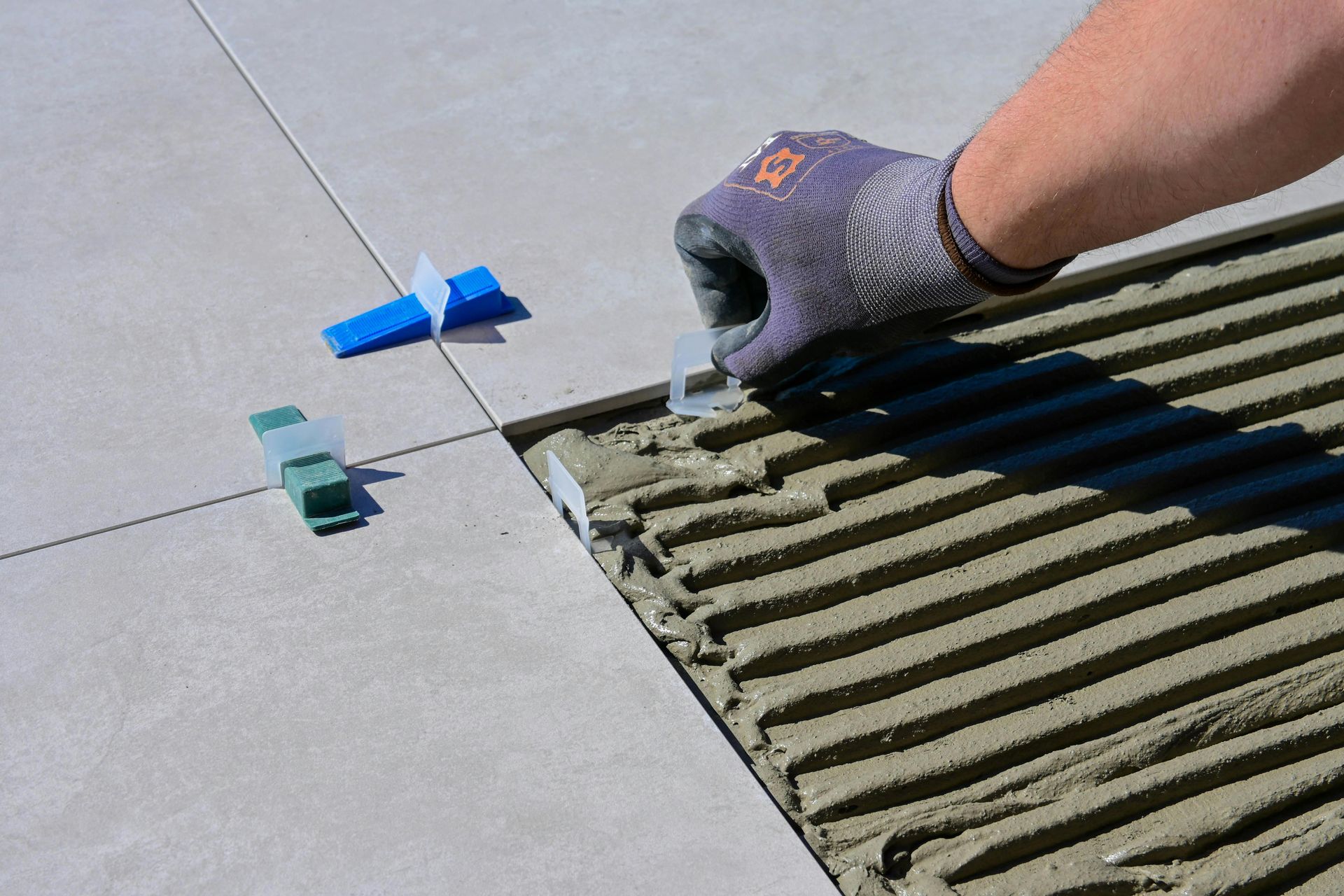
Carpet traps moisture, stains, and allergens in ways that become obvious once you pull it up and see the pad deterioration and subfloor discoloration underneath. Jordans Tile Company, LLC installs floor tile in Mount Olive kitchens, bathrooms, entryways, and living spaces, creating surfaces that handle high traffic, resist moisture, and maintain appearance without the periodic replacement carpet and vinyl require. Proper leveling and spacing during installation prevent the cracking and lippage that show up when tiles are set over uneven subfloors or without adequate expansion joints, and the variety of tile options—ceramic, porcelain, natural stone—allows matching durability and style to each room's specific conditions and use patterns.
The installation process begins with subfloor evaluation, checking for level, deflection, and moisture conditions that affect tile performance. Uneven areas get leveled with floor compound so tiles sit flat without rocking or creating trip edges where one tile sits higher than adjacent pieces. Underlayment or backer board is added in areas prone to moisture exposure, providing a stable, water-resistant base that prevents the subfloor damage common when tile is installed directly over wood in bathrooms or laundry rooms. Layout is planned to center tile patterns in visible areas and push small cuts toward room edges or less prominent spaces, and expansion joints are placed at transitions between rooms or where tile meets other flooring types.
Request an estimate for new flooring to review tile options, discuss room-specific requirements, and get a timeline based on your project scope.
What You Notice Once Flooring Is Finished
Tile floors feel solid underfoot without the hollow sound that indicates voids in thinset or insufficient substrate support, and surfaces remain level without the cracked grout lines or loose tiles that result from subfloor movement. Grout joints run straight across rooms, and spacing remains consistent, which creates visual order rather than the random variation that suggests hasty installation. In kitchens and bathrooms, tile resists water damage and staining that would ruin carpet or cause vinyl to curl and discolor, and the surface wipes clean without absorbing spills or grime.
Large-format tiles cover space quickly and reduce grout line maintenance, but they demand flatter subfloors and more precise leveling to prevent lippage where edges don't align. Smaller tiles and mosaics allow better detailing in irregular spaces and provide more slip resistance when wet due to increased grout line texture. Natural stone adds variation in color and pattern but requires sealing to prevent staining, while porcelain offers consistent appearance and lower maintenance with higher moisture resistance important in Mount Olive homes.
Floor tile installation includes subfloor prep, leveling, underlayment where needed, tile setting, grouting, and sealing. It doesn't cover removal of multiple flooring layers, structural subfloor repair, or underlayment replacement when joists or framing are damaged. If the existing floor has significant deflection or bounce, reinforcement happens before tile work begins to prevent cracking. Transition strips at doorways and where tile meets other flooring types are included to create clean edges and prevent tripping hazards.
What Property Owners Usually Ask
Floor installations raise practical concerns about preparation, material performance, and project disruption.
What subfloor conditions prevent tile installation?
Excessive deflection, moisture issues, or severe unevenness require correction before tile can be installed, since movement or instability in the subfloor will crack tiles and grout over time.
How do you prevent tiles from cracking on wood subfloors?
Proper underlayment and ensuring the subfloor doesn't flex beyond tile tolerance limits prevents the stress that causes cracks, which is why deflection testing matters before installation begins.
What's the advantage of porcelain over ceramic for floors?
Porcelain is denser and less porous, making it more resistant to moisture absorption and staining, which matters in entryways and bathrooms where water exposure is frequent.
When should floor tile be sealed?
Natural stone and some unglazed tiles need sealing after installation and periodically thereafter, while glazed ceramic and porcelain typically don't require sealing, though grout lines benefit from sealer in all installations.
Why does grout crack in some floor installations?
Grout cracks when the subfloor moves, tiles weren't set properly, or grout joints are too wide for the grout type used, so proper installation technique and material selection prevent those failures.
Jordans Tile Company, LLC handles floor tile installations across Mount Olive, working with homeowners upgrading from worn flooring to durable tile surfaces that add value and reduce long-term maintenance. Call to discuss your flooring project and review material options suited to your room's traffic patterns and moisture conditions.