
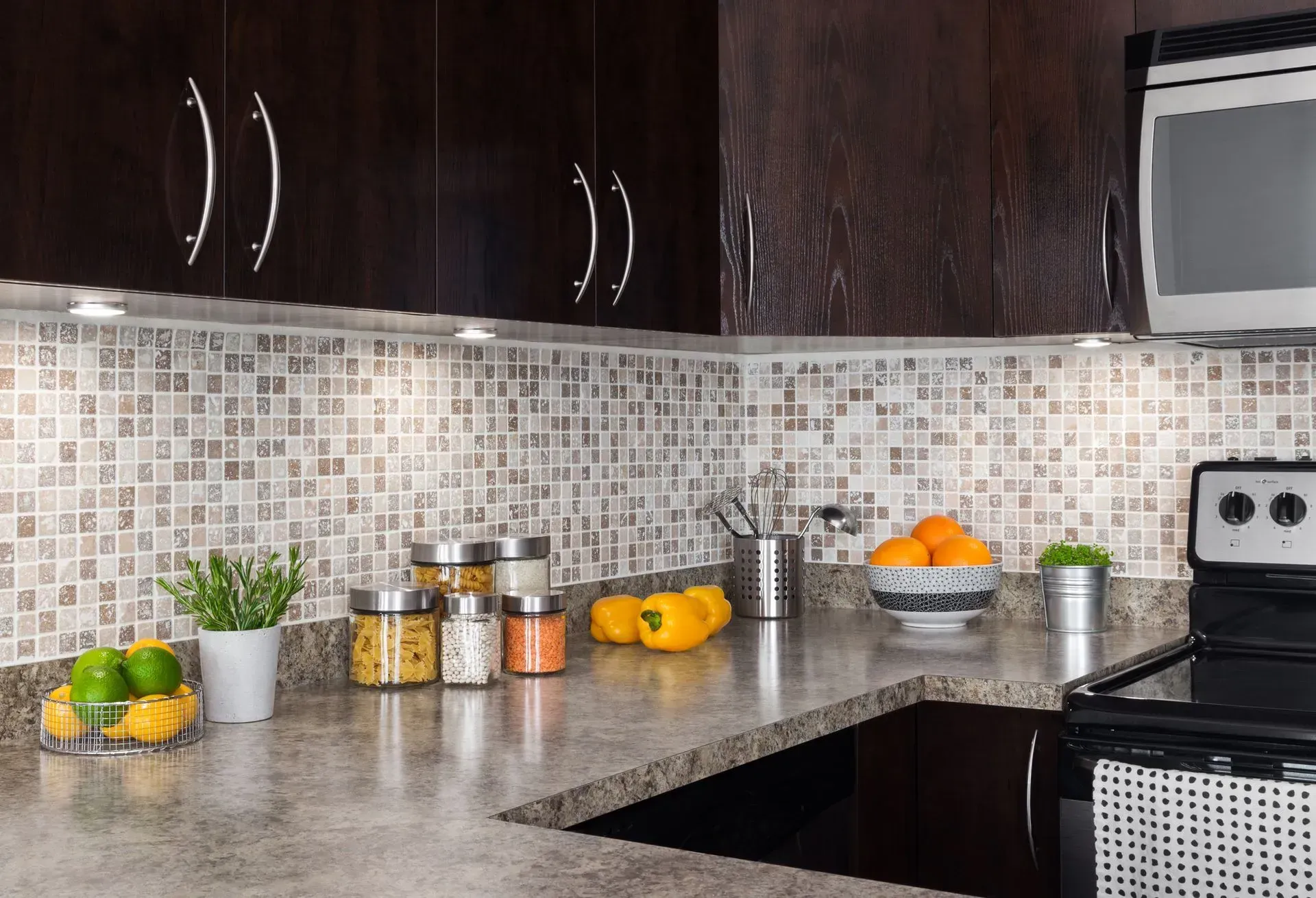
Protection and Style Behind Your Workspace
Kitchen backsplash installation in Mount Olive for kitchens needing moisture and grease protection without full remodeling
Kitchen walls behind cooktops and sinks take daily exposure to grease splatter, water splash, and heat, which painted drywall absorbs and stains over time. Backsplash tile creates a cleanable, moisture-resistant barrier that protects walls while adding visual impact through pattern, color, and material choices. Jordans Tile Company, LLC installs kitchen backsplashes in Mount Olive, working with a range of tile styles—subway tile, mosaic sheets, natural stone, and decorative accents—that match both modern and traditional kitchen designs. The installation process involves careful measurement and layout so tile patterns align with outlets, cabinet edges, and windows, producing a finished look that feels integrated rather than added as an afterthought.
Surface preparation ensures tile adheres properly to drywall or existing painted surfaces, sometimes requiring light sanding or priming depending on wall condition. Layout lines are established to center patterns on focal points like the cooktop or sink, and outlet locations are marked so tile cuts fit precisely around electrical boxes without gaps that expose drywall. Thinset is applied in thin, even layers for backsplash work since the tiles aren't load-bearing, and spacers maintain consistent grout joints across the installation. Cuts around outlets, windowsills, and cabinet edges require precise measuring and careful execution so finished edges look clean without visible gaps or overlapping pieces.
Schedule a backsplash consultation to review tile options and discuss how pattern choices and grout color affect the overall kitchen appearance.
How Backsplash Installation Addresses Kitchen Wear
Tile backsplashes block moisture and grease from penetrating drywall, which prevents the staining, bubbling, and deterioration you see on painted walls behind sinks and cooktops after years of cooking and cleaning. Grout lines, when sealed properly, resist staining and wipe clean with standard household cleaners, making daily maintenance simpler than scrubbing painted surfaces. The tile surface handles heat exposure near cooktops without discoloration or damage, unlike wallpaper or some painted finishes that yellow or peel when subjected to repeated temperature changes.
After installation, you'll notice a defined visual boundary between countertops and cabinets, and the tile pattern either complements existing finishes or introduces contrast that breaks up monotone color schemes. Alignment matters—grout lines that run level and plumb create visual order, while misaligned joints draw attention to installation errors. Clean cuts around outlets and windows indicate careful planning, and corners that meet without gaps or overlapping tiles show attention to detail rather than rushed work.
Backsplash installation includes surface prep, layout, tile setting, grouting, and sealing, but doesn't involve electrical work, cabinet removal, or countertop replacement. If outlets need repositioning or additional outlets are desired, that electrical work happens before tile installation. The project timeline is shorter than full kitchen remodeling, often completed in one to two days depending on kitchen size and pattern complexity, making it a practical upgrade that doesn't require extended loss of kitchen access.
Common Questions About This Service
Backsplash installations prompt questions about materials, maintenance, and how the work integrates with existing kitchen elements.
What's the difference between ceramic and glass tile for backsplashes?
Glass tile reflects light and adds brightness to kitchens, while ceramic offers more color and pattern variety, so the choice depends on whether you want visual depth or design flexibility.
How do you cut tile around electrical outlets?
Outlets are measured and marked on tiles before cutting, and precise cuts are made using wet saws or nippers so the tile fits snugly around the outlet box without gaps that expose the wall.
What grout color should I choose for kitchen backsplashes?
Grout color affects visual impact—contrasting grout highlights tile shape and pattern, while matching grout creates a more uniform appearance, and darker grout hides staining better in high-use areas.
When should backsplash tile extend to the ceiling versus stopping at cabinets?
Extending tile to the ceiling works in kitchens without upper cabinets or when creating a feature wall, while stopping at cabinet height is standard and more cost-effective in traditional layouts common in Mount Olive homes.
Why does tile layout start at different points in different kitchens?
Layout begins at focal points like the cooktop or sink to center patterns and minimize small cuts in visible areas, so starting points vary based on kitchen configuration and design priorities.
Jordans Tile Company, LLC completes kitchen backsplash installations throughout Mount Olive, helping homeowners protect walls and refresh kitchen appearance without the disruption of full remodeling. Contact us to review tile samples and get an estimate based on your kitchen's dimensions and design preferences.