
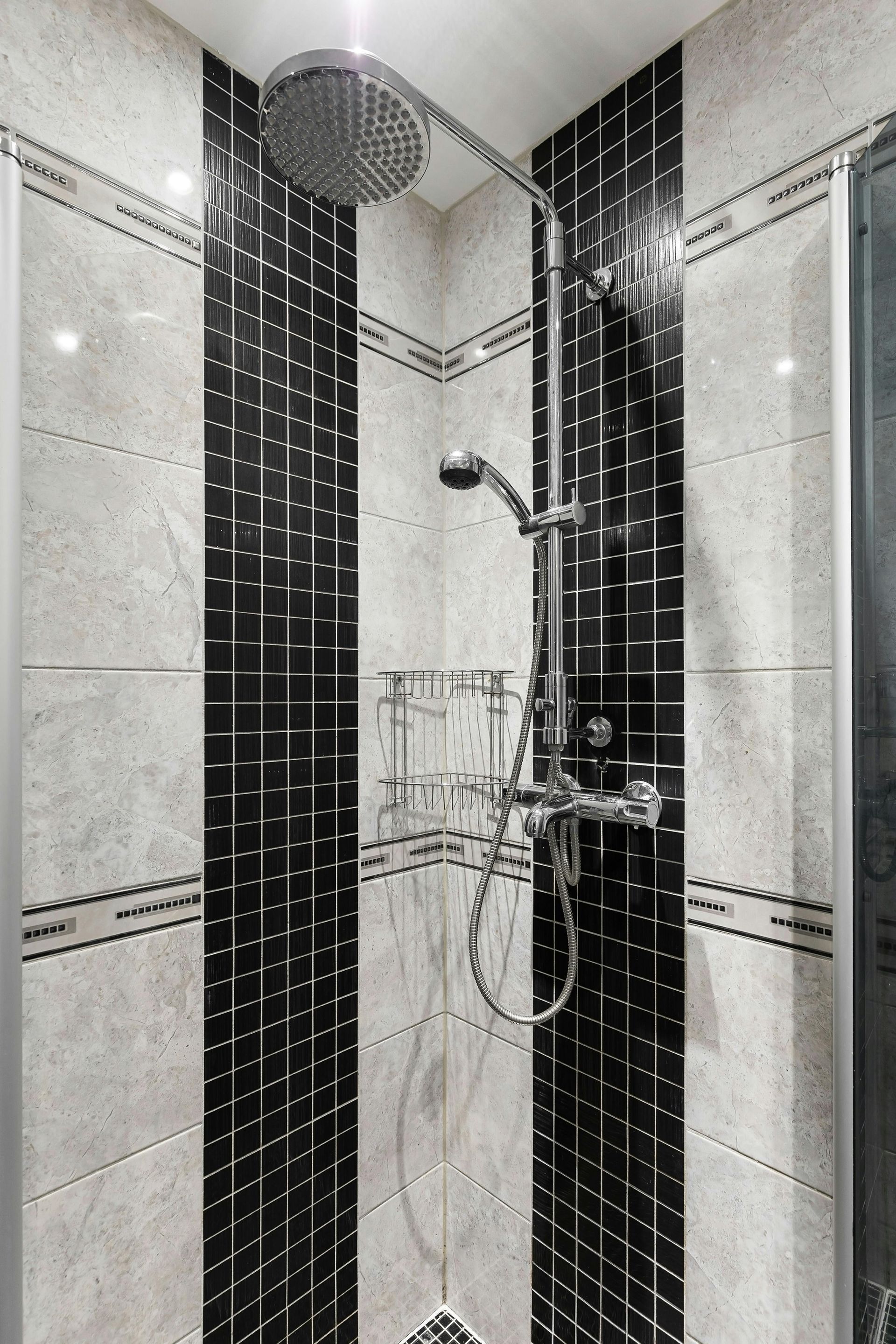
Showers Designed to Contain Water Correctly
Shower tile installation in Mount Olive for homes upgrading to walk-in showers or replacing failing enclosures
Waterproofing failures in showers don't announce themselves until you see stains on the ceiling below, soft spots in the subfloor, or mold creeping from behind tiles. Jordans Tile Company, LLC installs shower tile in Mount Olive with a focus on the prep work that prevents leaks—waterproof membranes applied to backer board, proper slope on shower floors, and careful detailing at corners and transitions where water finds its way through gaps. Custom shower projects include walk-in designs, enclosed showers, and detailed tile layouts with built-in niches and bench seating, all built on a foundation that keeps water inside the shower pan and directs it toward the drain.
Installation begins with framing inspection and any necessary reinforcement, followed by cement backer board that provides a stable, moisture-resistant base. Waterproof membrane gets applied over seams, corners, and the entire shower area before any tile is set, creating a continuous barrier even if water penetrates grout. Shower pans are sloped during installation so water doesn't pool along walls or in corners, and curbs are built and waterproofed to contain water without relying solely on caulk or grout to prevent escape. Tile layout is planned to minimize small cuts in visible areas and to align pattern changes or accent strips with shower fixtures and niches.
Start planning a custom shower project with a consultation that covers layout options, material selection, and waterproofing details specific to your bathroom's structure.
What Changes After Installation Completes
A properly installed shower directs all water toward the drain without seepage at the curb, corners, or wall transitions, which you'll notice as an absence of water escaping onto the bathroom floor or dampness along baseboards outside the shower area. Grout lines stay clean longer when they're sealed correctly, and tile surfaces shed water instead of absorbing it, especially when working with porcelain or glazed ceramic. Niches and benches built into the shower structure feel solid rather than flexing when weight is applied, and custom details like bullnose edges or decorative accents align cleanly without gaps or overlapping pieces that indicate rushed installation.
The difference between waterproofing done correctly and shortcuts taken shows up over years, not days—you won't see the membrane, but you'll notice the absence of mold, water stains, and substrate damage that require eventual tear-out and reinstallation. Clean grout lines that run straight without lippage create the visual precision that separates professional work from DIY attempts, and careful detailing at transitions between different tile sizes or materials shows planning rather than improvisation.
Shower tile installation includes waterproofing, pan preparation or installation, backer board, tile setting, and grouting. It doesn't include plumbing rough-in, fixture installation, or structural modifications to expand shower dimensions, though those can be coordinated separately. Custom features like recessed niches, corner shelves, or bench seating involve additional framing and waterproofing but are planned and built during the primary installation process.
Answers to Frequent Service Questions
Shower projects raise questions about waterproofing, materials, and how long the work takes to complete.
What makes waterproofing critical in shower installations?
Waterproof membrane behind tile creates a continuous barrier that prevents water from reaching framing and subfloors, which is necessary because grout and caulk alone aren't sufficient to stop moisture penetration over time.
How is slope built into shower floors?
The shower pan or mortar bed is formed with a slight grade toward the drain during installation, typically around a quarter inch per foot, so water flows naturally rather than pooling against walls.
What tile size works best for shower walls?
Larger tiles mean fewer grout lines and faster cleaning, but smaller tiles or mosaics allow better detailing around curves, niches, and transitions, so the choice depends on design goals and maintenance preferences.
When should a shower curb be replaced versus tiled over?
If the existing curb is structurally sound and properly waterproofed, it can be tiled over, but damaged or improperly built curbs need rebuilding to prevent leaks at the shower threshold common in Mount Olive bathroom remodels.
Why do some showers use different tile on floors versus walls?
Floor tiles often have textured or smaller formats for slip resistance when wet, while wall tiles can be larger and smoother since they don't require the same traction.
Jordans Tile Company, LLC works with homeowners in Mount Olive on shower installations that range from straightforward replacements to custom walk-in designs with detailed tile work. Discuss your project goals and current shower conditions during an initial consultation to review layout and material options.