
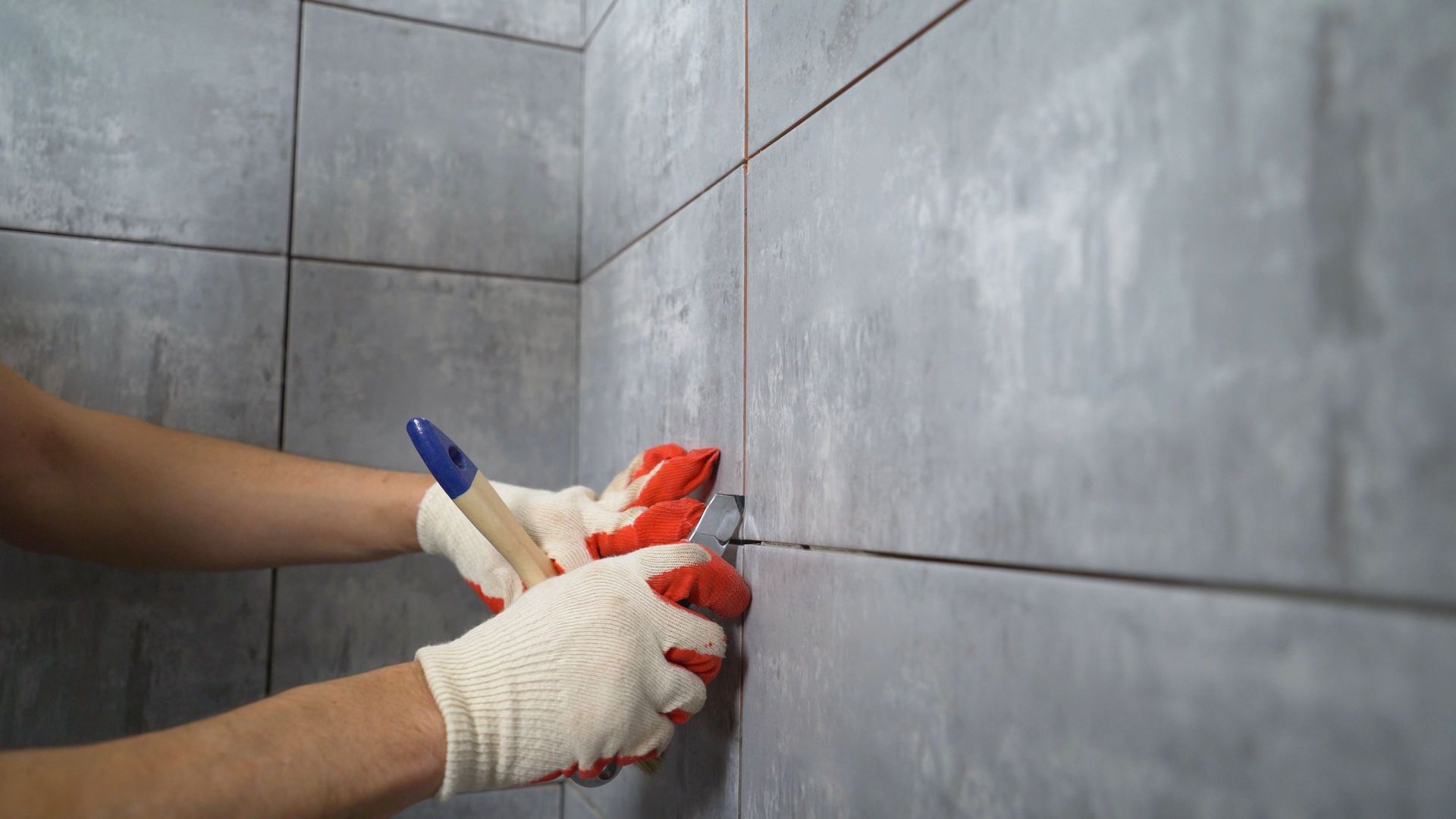
Surface Protection Through Proper Joint Treatment
Grout Work and Finishing in Mount Olive for tile surfaces where grout lines have deteriorated, discolored, or failed to seal properly
Discolored grout lines signal that moisture has penetrated beyond the surface, carrying dirt and contaminants into the porous material where cleaning can't reach. Regrouting addresses this by removing compromised grout and replacing it with fresh material that restores both the protective function of the joints and the clean appearance of evenly colored lines. Jordans Tile Company, LLC handles grout installation, repair, and sealing for tile surfaces throughout Mount Olive, North Carolina, treating grout as a functional layer that prevents water from reaching substrates rather than just a cosmetic element between tiles.
Grout work includes initial installation on new tile surfaces, where grout is mixed to the correct consistency, worked into joints with a rubber float, and tooled to create consistent depth and profile. Regrouting services involve grinding out old grout to a uniform depth without damaging tile edges, cleaning debris from the joints, and packing new grout into the channels so no voids remain. Finishing includes sealing grout lines after curing to create a barrier against moisture and staining, which is particularly important in showers, around tubs, and on kitchen backsplashes where water exposure is constant.
Schedule grout service or maintenance to address worn grout lines before water infiltration causes substrate damage.
What You Notice Once Grout Lines Are Finished
Professional grout application produces lines that sit slightly recessed from the tile surface, with smooth, consistent profiles that don't crumble at the edges or show pinholes where air pockets formed during installation. Proper mixing ratios prevent grout from shrinking as it cures, which would create low spots that collect water and grime. After tooling and cleaning, the surface should show no grout haze on the tile faces and no smeared residue along the edges where grout meets tile.
Once sealed, grout resists water absorption, which means spills bead on the surface rather than soaking in, and routine cleaning removes surface dirt without requiring scrubbing to pull stains from within the grout itself. You'll notice that water no longer darkens grout lines when it contacts them, cleaning takes less effort, and the uniform color across all joints makes the tile installation look recently completed even years after the original work.
Grout selection involves choosing between sanded and unsanded types based on joint width—sanded grout is used for joints wider than one-eighth inch to prevent shrinkage, while unsanded grout works in narrow joints and on surfaces like polished marble where sanded grout could scratch the tile. Epoxy grout offers superior stain resistance and waterproofing but requires faster application due to shorter working times, making it ideal for high-moisture areas where longevity justifies the additional installation complexity.
Answers to Frequent Service Questions
Homeowners preparing for grout work often want clarity on how regrouting differs from simple cleaning and what maintenance prolongs grout life.
How do you know when grout needs to be replaced rather than cleaned?
Grout that crumbles when touched, shows cracks running along the joints, or remains discolored after professional cleaning has likely absorbed enough moisture and contaminants that removal and replacement is more effective than surface treatment.
What's involved in removing old grout without damaging tiles?
A rotary tool fitted with a grout removal bit grinds out old grout to a depth of about one-eighth inch, staying centered in the joint to avoid catching tile edges, followed by vacuuming to clear dust and loose material before new grout is applied.
Can grout color be changed during regrouting?
Regrouting allows complete color changes since old grout is removed and replaced, giving you the option to shift from light to dark tones or select colors that better complement current tile and room finishes.
How often should grout be resealed in wet areas?
In showers and around tubs in Mount Olive, grout sealer typically requires reapplication every one to two years depending on water exposure and cleaning product use, with annual inspections showing whether water still beads on the surface or has begun soaking in.
Why do some grout lines crack while others stay intact?
Cracking usually results from substrate movement beneath the tile, inadequate thinset coverage that allows tiles to flex slightly under pressure, or grout mixed too thin during installation, which causes excessive shrinkage as it dries.
Jordans Tile Company, LLC applies grout with attention to joint preparation and sealing to extend the functional life of tile installations. Call (919) 222-9850 to discuss regrouting or grout maintenance for your tile surfaces.